5% OFF
For Seniors, Military, Veterans, and First Responders
Expires 10/31/26.
*For first time customers only. Call for details.



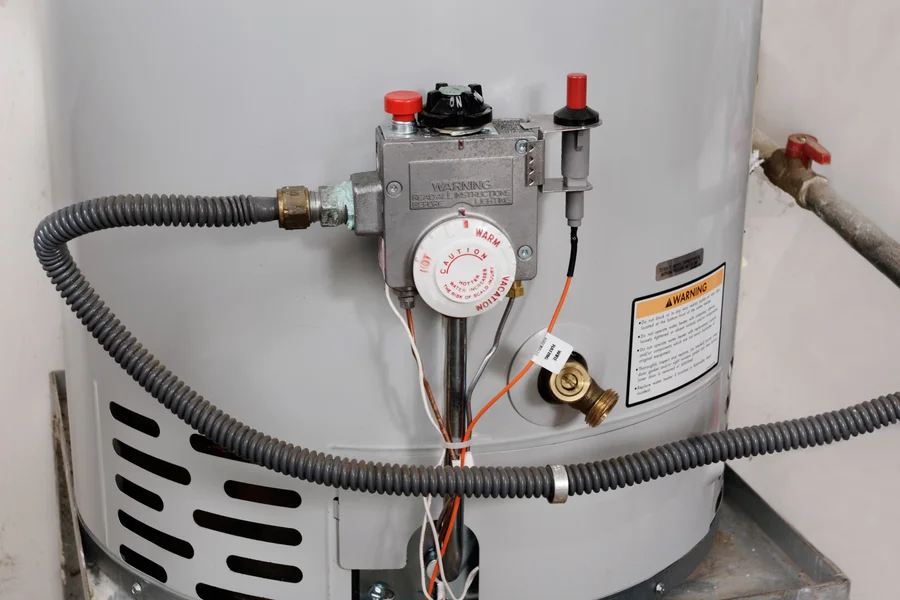
Whether your water heater stopped working, isn’t keeping up with demand, or is making sounds it never made before, Prostar Services is ready to help. Our plumbers in Wilson, NC handle water heater repair, replacement, and maintenance for all major system types throughout Wilson, NC.
Call us, and we’ll get your hot water sorted out.
Book Online
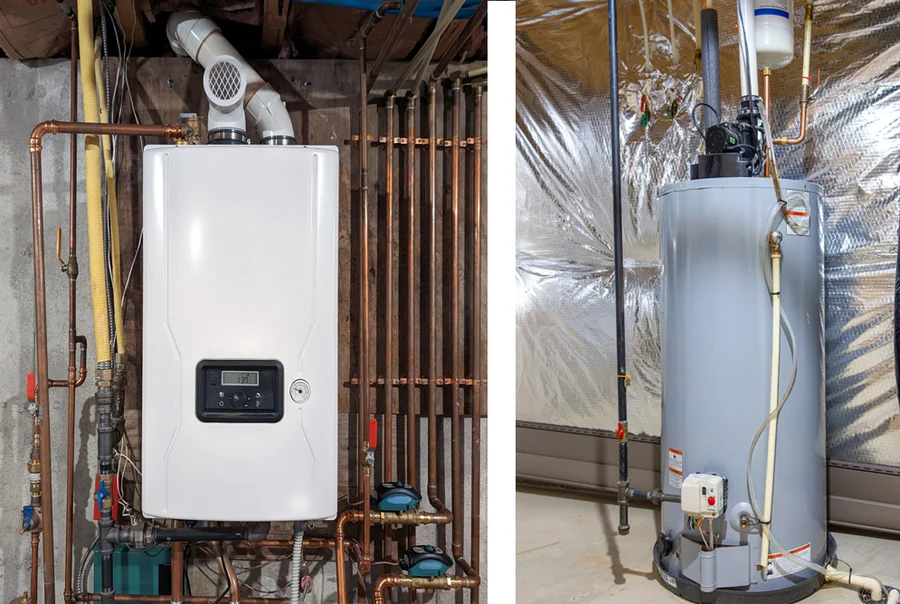
If you’re not sure what type of system you have, call us with the model number and we’ll confirm your Wilson hot water heater before scheduling a visit.
Prostar diagnoses and repairs all common water heater problems, including failed heating elements, thermostat malfunctions, sediment buildup, deteriorating anode rods, pressure relief valve issues, and ignition problems in gas units. Our Wilson plumbing team tells you what we find and what your Wilson water heater repair will cost before we pick up any tools.
When repair no longer makes sense, Prostar helps you choose and install the right replacement for your home. We consider your household size, usage patterns, fuel type, available space, and efficiency preferences before recommending any equipment. Installation is completed to manufacturer specifications, and every new unit is tested before we consider your Wilson water heater replacement job done.
Prostar installs, repairs, and maintains tankless water heaters for Wilson homeowners. Tankless systems heat water on demand rather than storing it, which eliminates standby heat loss and provides continuous hot water without storage capacity limits. They cost more upfront but typically last significantly longer and use less energy over their lifespan. If you’re considering making the switch, ask us whether your home’s gas line or electrical system is set up to support a tankless unit.
Annual maintenance keeps your water heater running efficiently and extends its service life. Prostar’s maintenance visits include flushing the tank to remove sediment, inspecting the anode rod, checking the pressure relief valve, and testing overall system performance. Sediment buildup is the most common cause of reduced efficiency and noise in tank water heaters, and addressing it on a regular schedule prevents it from becoming a more serious problem.

Jamie and Brett did an excellent job of installing my furnace. Very professional .Great job Prostar

Terrance is superior Hvac tech..He is very polite and very efficient and effective...I would rate him on a10 scale. 10

Jamie and Brett were fantastic.

Terrance came out to service my unit and was very polite and informative. He displayed extensive knowledge of the systems and industry and recommended what he felt was necessary. I would definitely recommend requesting him as a technician on your next service.

Jamie and Brett were professional and courteous and so so friendly. They are fabulous team to work with and truly grateful of the A+ service The most I appreciate was he explained the work to my understanding too.

Jamie & Brett did an amazing job on my humidifier

Terrance was very intelligent and knew his job very well and was exceptionally respectful and we'll look forward to seeing him again!!!

Jamie and terrance did a top notch job and will definitely recommend them to others

Jamie and Brett were great installers, highly recommended!!!!!!!!
Jamie and Brett did an excellent job of installing my furnace. Very professional .Great job Prostar
Terrance is superior Hvac tech..He is very polite and very efficient and effective...I would rate him on a10 scale. 10
Jamie and Brett were fantastic.
Terrance came out to service my unit and was very polite and informative. He displayed extensive knowledge of the systems and industry and recommended what he felt was necessary. I would definitely recommend requesting him as a technician on your next service.
Jamie and Brett were professional and courteous and so so friendly. They are fabulous team to work with and truly grateful of the A+ service The most I appreciate was he explained the work to my understanding too.
Jamie & Brett did an amazing job on my humidifier
Terrance was very intelligent and knew his job very well and was exceptionally respectful and we'll look forward to seeing him again!!!
Jamie and terrance did a top notch job and will definitely recommend them to others
Jamie and Brett were great installers, highly recommended!!!!!!!!
Ready to get something scheduled? Call us or book online and we’ll get you sorted ASAP!
120 degrees Fahrenheit is the standard recommendation for most households. It’s hot enough to be effective at fixtures throughout the home while reducing the risk of scalding and limiting the rate of sediment buildup and corrosion inside the tank.
Sediment settles at the bottom of the tank over time and hardens, causing those sounds as water percolates through it during the heating cycle. Flushing the tank addresses this and is included in Prostar’s maintenance visits. In older tanks with significant buildup, replacement may be more practical.
The anode rod is a metal rod inside the tank designed to corrode in place of the tank itself, protecting the steel interior from rust. When it’s fully consumed, the tank begins to corrode directly. Inspecting and replacing the anode rod as part of routine maintenance significantly extends tank life.
Units under 10 years old with isolated, straightforward problems are usually worth repairing. Units 12 years or older with recurring issues, or units with tank failures, are generally better candidates for replacement. If repair costs would exceed half the cost of a comparable new unit, replacement typically makes more financial sense. Prostar will give you an honest read on both options.
Any water heater exposed to flood water should be replaced rather than repaired. Both gas and electric water heaters have components including pressure relief valves, controls, and electrical elements that can corrode after flood exposure and may fail unpredictably. Have a qualified professional assess any flood-damaged equipment before attempting to use it.
For many households, yes. Tankless units last significantly longer than tank models and can reduce water heating energy costs meaningfully over time. The payback period depends on your usage and current energy costs. Prostar can help you run through the numbers for your specific situation.
The water heater Energy Factor (EF) is a measure of the overall efficiency of the water heater. This is determined by comparing the energy in the heated water used daily to the total daily energy consumption of the water heater. The EF can be used to compare the energy efficiency of water heaters. Water heaters with higher EFs will have lower annual operating costs than comparable models with lower EFs. A higher EF signifies a more efficient model. Water heaters with high EF ratings may cost more initially, but save energy and money in the long run. Eventually, they will pay for themselves through a lifetime of energy savings.
For most water heaters, the anode rod is attached to the hot water outlet of the water heater. If you are facing the front of the water heater (where the labels are), the hot water outlet is on the left hand side. The anode rod is often referred to as a “sacrificial rod”.
Most water is rarely “pure”. It can contain oxygen, magnesium, fluoride, chlorine and suspended particles. These components, in the concentrations in your water, are usually not bad for you. However, they do contribute to the taste and smell of the water. They also impart a slight conductivity to the water. Through an electrical process called electrolysis, this conductivity will eventually (over a long period of time) cause most metal to rust or corrode. When the water is heated, this electrical process can be accelerated.
Most water heaters are made of a steel tank with a porcelain enamel (glass) lining. However, due to production and assembly methods, it is not always possible to completely cover the inside of the tank. Therefore it is important to provide metal that can be consumed by the electrical process. This is where the sacrificial anode rod comes in. By acting as a lightning rod for the corrosion process, the anode rod draws the harmful electrolytic process away from the water heater tank and focuses the corrosion on the anode rod. Water heaters need this sacrificial anode rod to ensure that the electrolysis does not affect the tanks.
The answer may be that you have sediment buildup in your tank. As water heaters age, they tend to accumulate sediment and lime deposits. If the heaters are not cleaned periodically, the sediment may rise to a level that will act as a barrier between the burner and the water, making it harder to heat. An article published in a national ASPE plumbing journal states: for every half inch of sediment on the bottom of a gas fired water heater, it requires up to 70% more fuel to heat the water.
Yes. The Air-Conditioning, Heating and Refrigeration Institute (AHRI) recommends that any flood-damaged heating and cooling equipment be replaced, not repaired. From the AHRI website, as it pertains to water heaters:
“Whether your water heater is gas-fired, oil-fired or electric, if it was exposed to flood water, the unit should be replaced. In a gas unit, valves and controls will likely corrode. In an electric unit, the thermostat and controls will likely corrode. In both types, the insulation surrounding the unit will be contaminated and will be nearly impossible to disinfect. Additionally, the insulation would take a long time to dry, leading to corrosion of the tank from the outside.
Even if water heater components have been cleaned and the unit seems to operate properly, parts may corrode in the future. Both gas and electric water heaters have a pressure relief valve that can corrode and stick after being exposed to flood water. Therefore, be sure to replace this valve as well.”
(Taken from www.ahrinet.org)
At the suggestion of AHRI, be sure to have your inspection and replacement work performed by a qualified professional.
With the increasing costs of energy and a desire for environmental friendliness, some customers are turning to the sun as a way to heat their domestic water. Bradford White manufactures a solar water heating storage tank for use with solar systems. This tank takes the heated water from the solar panels and uses it as a heat source instead of conventional gas, oil or electric heat sources unlike other tanks, this water heater has an electric heating element for back up on cloudy days, and when the solar system is not providing enough heat. However, it is important that you use only POTABLE (or domestic use) water in this tank.
A water heater should be placed in an area that will prevent damage to floors, ceilings, and furniture if the heater leaks. When this is not possible, a drain pan must be installed under the water heater. Since a typical drain pan doesn’t hold that much water, it must have a pipe to a drain or other outlet for the water. When installed properly, a drain pan and pipe will keep any leakage under control and protect your belongings from water damage.
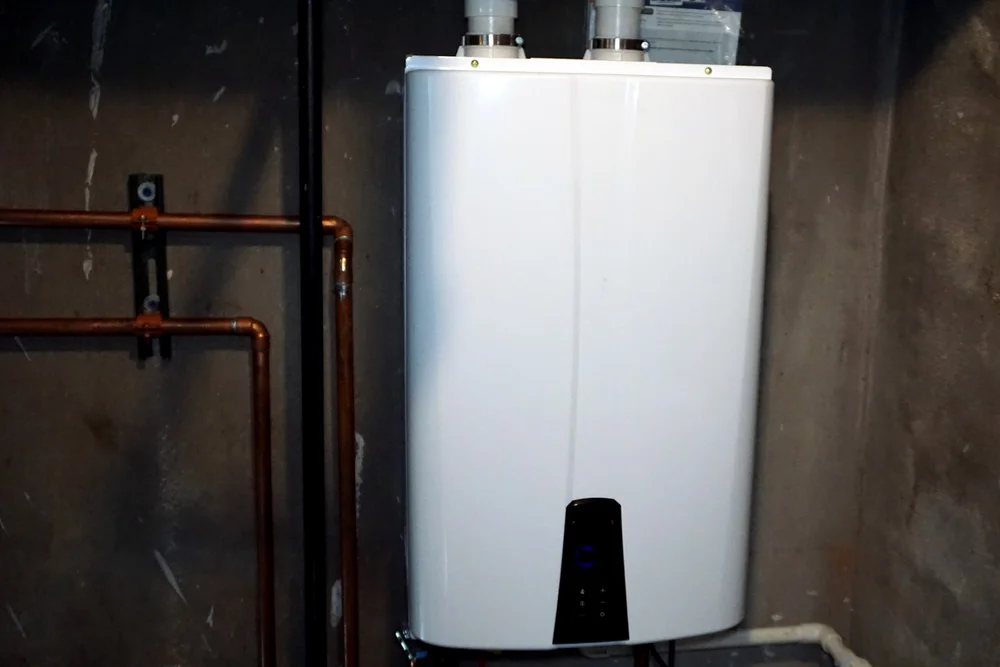
Living without hot water is miserable, and most water heater problems can be resolved in a single visit. Prostar Services repairs, replaces, and maintains water heaters throughout Wilson, NC with upfront pricing and a written warranty on everything we do.
Call us today and we’ll get a licensed plumber out to you.
Call Now (252) 285-4050
We’re based in Wilson, but we cover a lot of ground. Take a look and see if we serve your neck of the woods.
 All Service Areas
The Prostar All-Star Membership keeps your HVAC and plumbing running right all year long, with two seasonal tune-ups, a whole-home plumbing inspection, priority scheduling, and 10% off repairs whenever you need them.
It’s the kind of coverage that pays for itself the first time something goes sideways, and the peace of mind that comes with knowing we’ve already checked everything out.
Join Now