
Hard Water 101
Water picks up calcium and magnesium minerals as it moves through soil and rock. The more of those minerals it carries, the “harder” it is. Hard water isn’t a health hazard — the minerals themselves are harmless — but the practical effects on your home add up fast.
Whether your water is hard depends on your specific source. Municipal water in North Carolina tends to run softer than in many other states, but homes on private wells can tell a very different story. Hardness also varies by neighborhood and season. The only reliable way to know where you stand is to test. Join your plumbers in Wilson, NC from Prostar Services to learn more!
What Hard Water Is Doing to Your Home
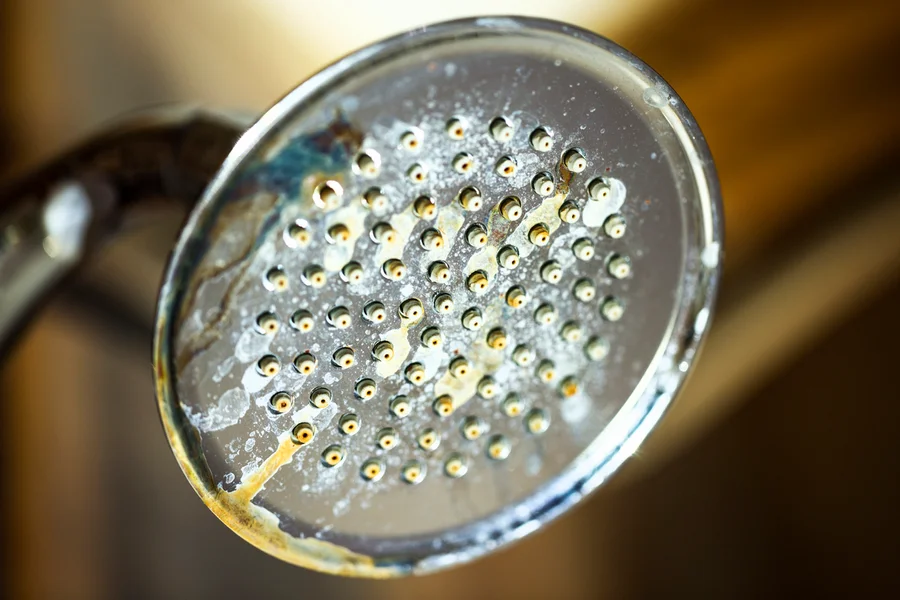
Scale builds up inside everything. When hard water is heated or evaporates, it leaves calcium deposits behind. Over time, that scale accumulates inside your pipes, water heater, dishwasher, washing machine, and any appliance that uses hot water. You can’t see it happening, but you’ll feel it in your energy bills and eventually in repair costs.
Your water heater works harder than it should. Scale buildup on heating elements forces the unit to run longer to reach the same temperature. That inefficiency costs money every month and shortens the life of the unit considerably.
Your fixtures and fittings take a beating. That chalky white residue around your faucets, showerheads, and bathroom and kitchen fixtures is mineral scale. It clogs aerators, reduces water pressure, and eventually damages the fixtures themselves.
Soap doesn’t work as well. Hard water interferes with lathering. You end up using more shampoo, more dish soap, more laundry detergent — and still getting less clean. Dishes come out spotty. Laundry feels stiff. Skin and hair feel dry because soap doesn’t fully rinse away in hard water.
Cleaning becomes a constant battle. Soap scum, water spots, and mineral stains are relentless in hard water homes. No amount of scrubbing fully fixes it because the problem resets with every use.
The Real Benefits of Soft Water
This is where homeowners who make the switch are often surprised by how much changes. It’s not just one thing — it’s the cumulative effect across your whole house.
Your appliances last longer. Without scale buildup coating heating elements and internal components, water heaters, dishwashers, and washing machines run the way they’re supposed to and reach their full expected lifespan. If you’re already considering a water heater replacement in Wilson, NC, soft water will protect whatever you put in next — especially a tankless water heater, which is more sensitive to scale than a traditional tank.
Your energy bills drop. A water heater free of scale heats water more efficiently and runs shorter cycles. The U.S. Department of Energy estimates that scale buildup of just a quarter inch can reduce a water heater’s efficiency by 40%. That inefficiency shows up on your utility bill every single month.
You use significantly less soap and detergent. Soft water lathers easily and rinses completely. Most households that switch report cutting their detergent use by 50% or more across laundry, dishes, and personal care. That’s real money back in your pocket month after month.
Your skin and hair genuinely feel different. Without mineral interference, soap and shampoo rinse away fully. Skin feels softer and more hydrated. Hair has more natural shine and less frizz. People with eczema or sensitive skin often notice the biggest difference, but most households feel it within the first week.
Dishes and glass come out spotless. Hard water leaves mineral deposits on everything it touches as it dries. With soft water, the spots and cloudiness disappear entirely. Glasses look clean because they are.
Cleaning your home gets easier. Soap scum and mineral buildup stop accumulating. Showers, sinks, and fixtures stay cleaner longer and require far less effort to maintain. For a lot of households, this alone makes the investment feel worth it.
Your plumbing stays cleaner too. Soft water doesn’t leave scale deposits inside pipes. Over time, that means better water pressure, fewer Wilson, NC plumbing issues, and less wear on the whole system.
How a Water Softener Works
A whole-home water softener uses a process called ion exchange. As water enters your home, it passes through a resin tank where calcium and magnesium ions are swapped out for sodium ions. Soft water then flows to every tap, appliance, and fixture in the house.
The system regenerates periodically using salt to recharge the resin. Modern units are efficient and regenerate based on actual usage rather than a fixed timer, keeping salt and water consumption low. Installation connects to your main supply line near where water enters the house. A well-maintained softener typically lasts 15 to 20 years.
If you’re on a private well, it’s worth testing for iron, manganese, and bacteria in addition to hardness, since well water can carry issues a softener alone won’t address. A full Wilson, NC water treatment assessment will tell you exactly what you’re working with.
Start with a Test
There’s no reason to guess. Contact Prostar Services and we’ll test your water and give you a clear picture of what’s in it. If a softener makes sense for your home, we’ll walk you through what installation involves and what you can expect. If it doesn’t, we’ll tell you that too.

 All Service Areas